
Japanese Business Showcase【Redheads Japa Cafe】
2026/5/30
.png) |
 |
Store information
Redheads Japa Cafe638 11 Ave SW, Calgary, AB T2R 0E2, Canada
https://redheadscafe.com/
Interview
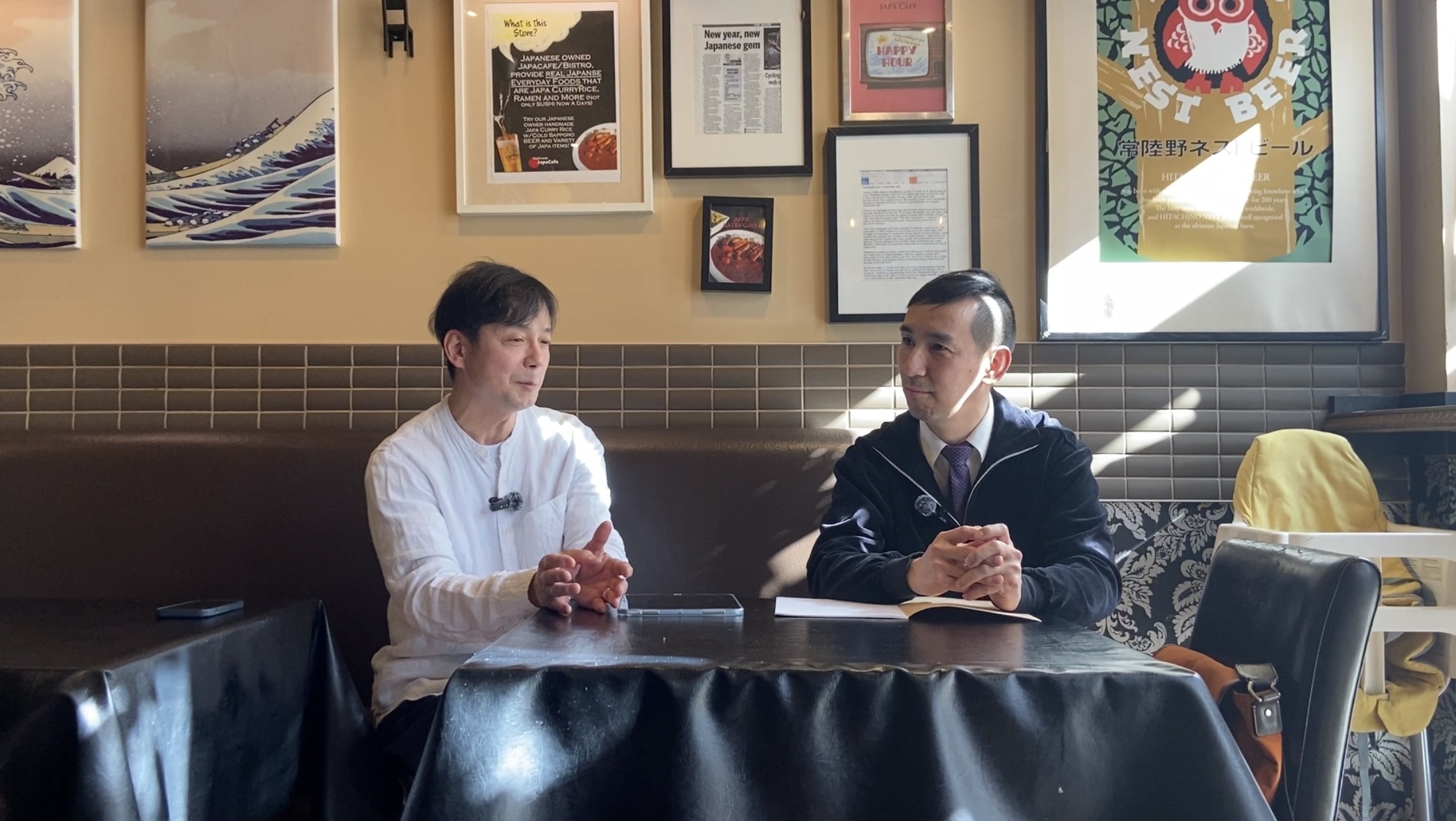
Q. What is the concept of your restaurant, and what kind of atmosphere do you strive to create?A. Our concept has remained unchanged since we opened 16 years ago: "Japanese everyday comfort food and regional specialties." We make a conscious effort to serve authentic Japanese flavors without over-modifying them for the local palate.
When I first started, I considered opening a specialty shop. However, I didn’t think an international concept that people in Calgary were unfamiliar with would succeed at the time. Instead, I took over Redheads Bagel Cafe and kept it running as it was. We began by adding sushi and katsu sandwiches to the existing menu of bagels, sandwiches, soup, and coffee.
For over three years, my life was incredibly demanding. I provided sushi catering for the Calgary Zoo cafeteria, so I would wake up at 4:00 AM to prepare and deliver the sushi, then open the cafe at 7:30 AM.
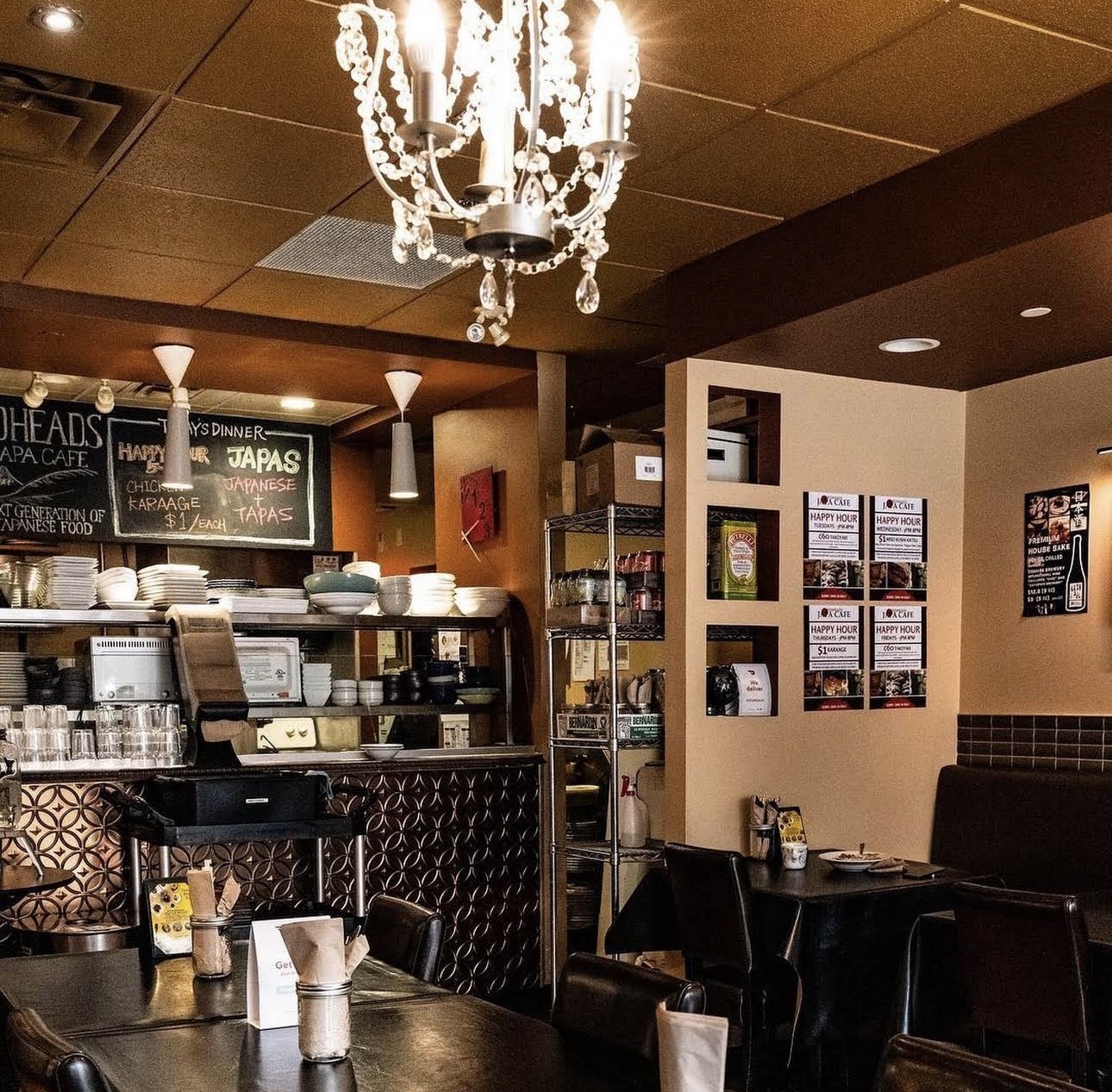
Regarding the atmosphere, I drew inspiration from thoughtfully curated independent shops and stylish cafes in Japan. In the beginning, I was navigating in the dark, constantly worried that I had to keep expenses low to protect my staff. However, by combining my personal vision with the extensive help of Koji (before he founded KAEDE HOME RENOVATION), we gradually transformed the interior over several years.
Once we introduced Japanese curry, the shop evolved into a place known for its curry and sandwiches. Eventually, we obtained a liquor license and began evening service. We started hosting banquets for Japanese companies and the Nikkei community, as well as events for various Japanese Prefectural Associations (Kenjinkai). Recreating regional specialties I had never tasted before—using only information from the internet—was a massive challenge, but it proved invaluable for our subsequent menu development.
 |
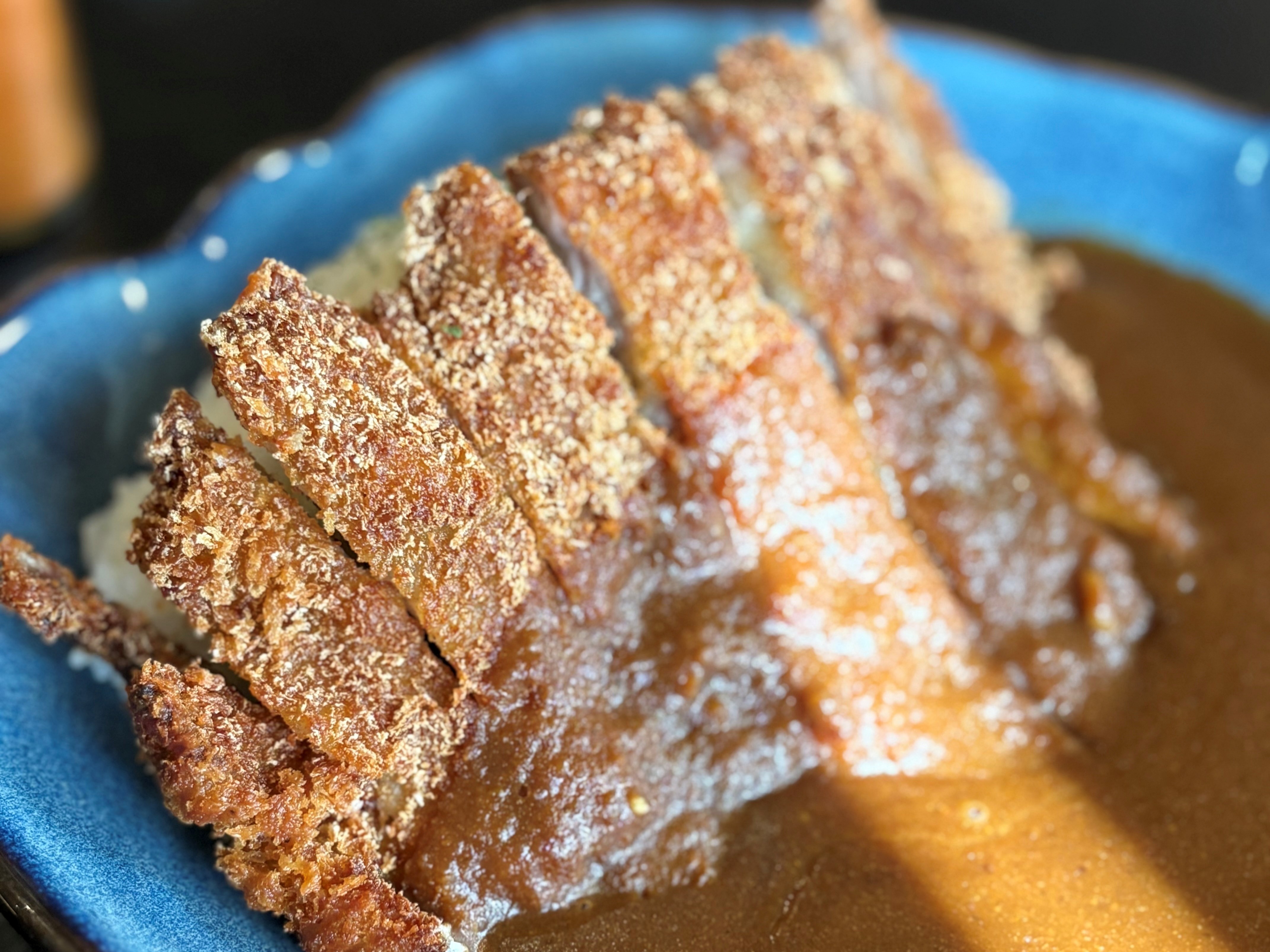
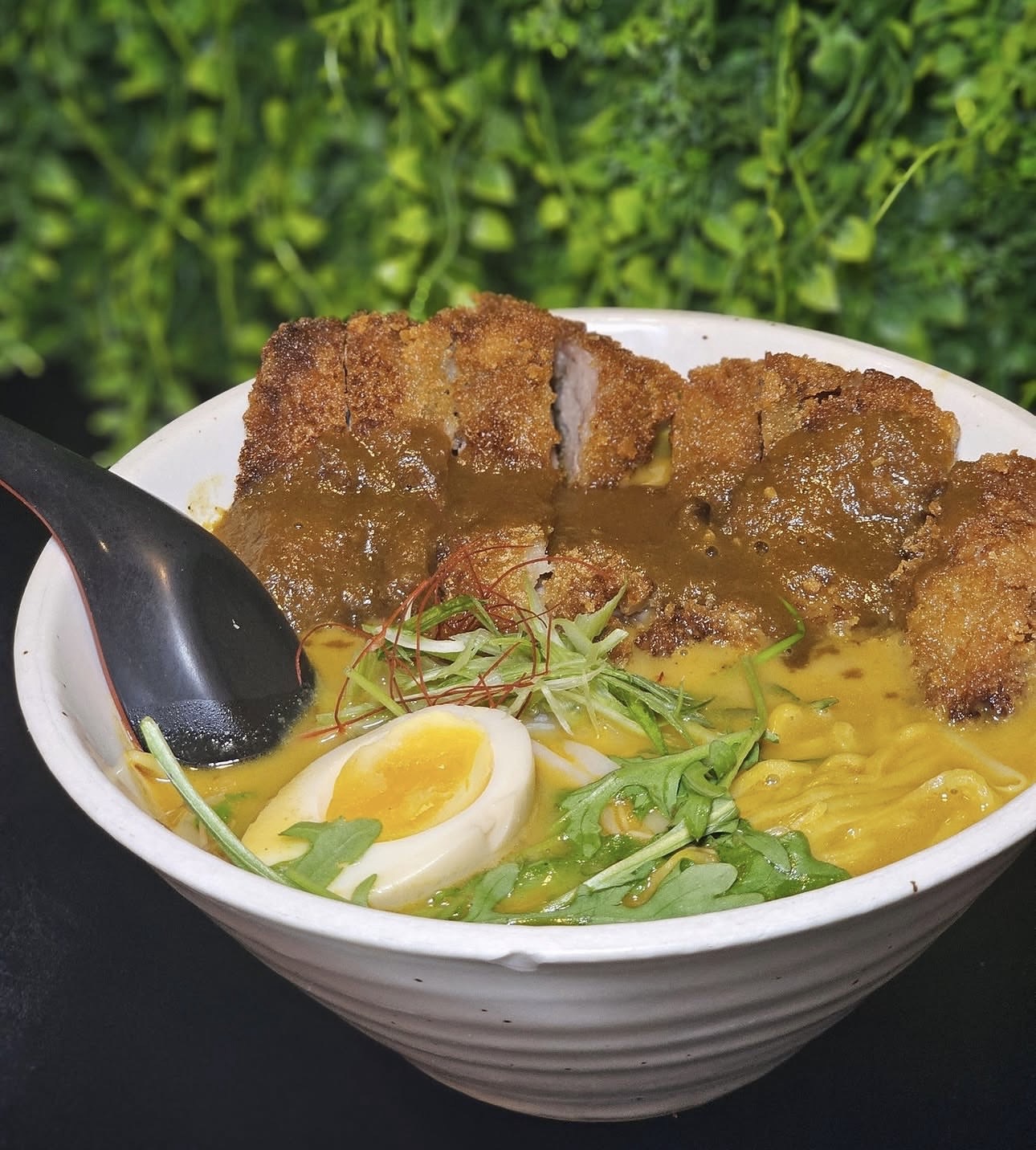
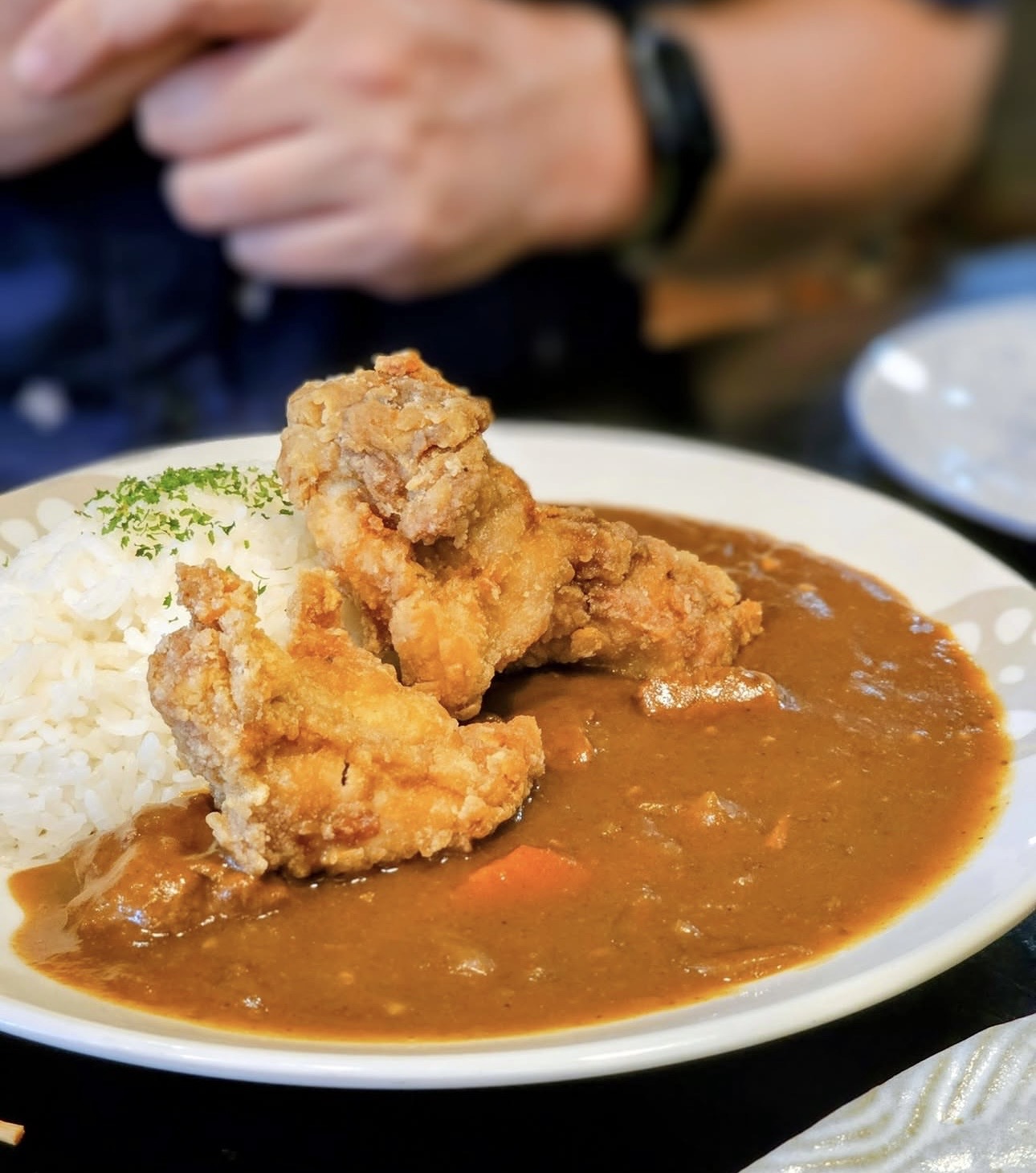
A. Our Katsu Curry is the undisputed number one. This is followed by the Karaage Curry, and then the Curry Ramen. In the evenings, small plates like Karaage and deep fried skewers (Kushikatsu) are very popular. We coined the term "JAPAS"—a blend of "Japanese" and "Tapas"—to describe these dishes.
We prepare our curry in large stockpots, making batches of about 60 servings once or twice every single day. We serve over 300 orders of curry rice per week.
When we first launched, our curry was a "Japanese home-style" recipe, but we eventually transitioned to a "restaurant-style" base. This change was made to accommodate diverse dietary needs, such as customers who don't eat beef or pork and those who are vegetarian. It took years of development, but considering our limited kitchen facilities and looking toward the future, I believed a restaurant-style base was the best solution.
Admittedly, this shift caused us to lose some of our long-time curry fans. We received reviews saying things like, "The old version was better," "I’ve never seen this style of curry in Japan," or "Did the owner change?" Those comments were painful to read. However, in the end, both our volume of orders and overall sales have increased. With the right toppings, the flavor can actually come quite close to the original style. I am committed to continuing our efforts to help customers understand our vision while turning our curry into an even more successful product.
 |
A. From the very beginning, I decided to avoid using raw fish as much as possible for cost-efficiency. I believe in leaving that to the sushi restaurants; instead, we wanted to focus on Japanese "soul foods" like curry and ramen. Similarly, with our alcohol selection, we prioritize value-for-money options over luxury labels. While these choices didn't always lead to immediate sales, we have used trial and error to ensure these items gained traction over time while minimizing food waste.
I also believe that service speed is essential to being the kind of "attentive, everyday spot" people want to visit frequently. While part of me would love to cook everything from scratch after an order is placed, dishes like Katsu and Karaage require a double-frying process. To balance quality and efficiency, we intentionally pre-fry them once and then flash-fry them a second time just before serving. This allows us to deliver piping-hot food quickly.
It might seem like a compromise on quality to some, but for me, this is a core commitment: the idea that "speed is a part of the flavor."
 |
 |
A. Having spent 16 years in the travel industry since graduating high school, my original goal was to start my own independent travel agency. However, as I looked toward the future and considered my age and circumstances, I realized that starting a business in the food industry was the most practical path forward.
My decision to start a business specifically in Canada was driven by several factors: my 10 years of experience working for a Japanese-owned local travel operator here, the presence of mentors and former supervisors in the country, and—above all else—my desire to fulfill my wife’s wish to live in Canada.
Q. What has been the happiest or most rewarding moment in your work?
A. To be honest, the hardships have outweighed the joys by a landslide; I could go on forever about the difficulties I've faced. Of course, it makes me happy when customers tell me the food was delicious, that they had a great time, or that the service was attentive. I also feel an immense sense of joy when we receive praise for our catering—which I often pull all-nighters to prepare—and see how much people enjoy it.
However, I view running a business as a long-distance marathon. I believe the moment I truly feel "the happiest" will be whenever I eventually reach some kind of finish line.
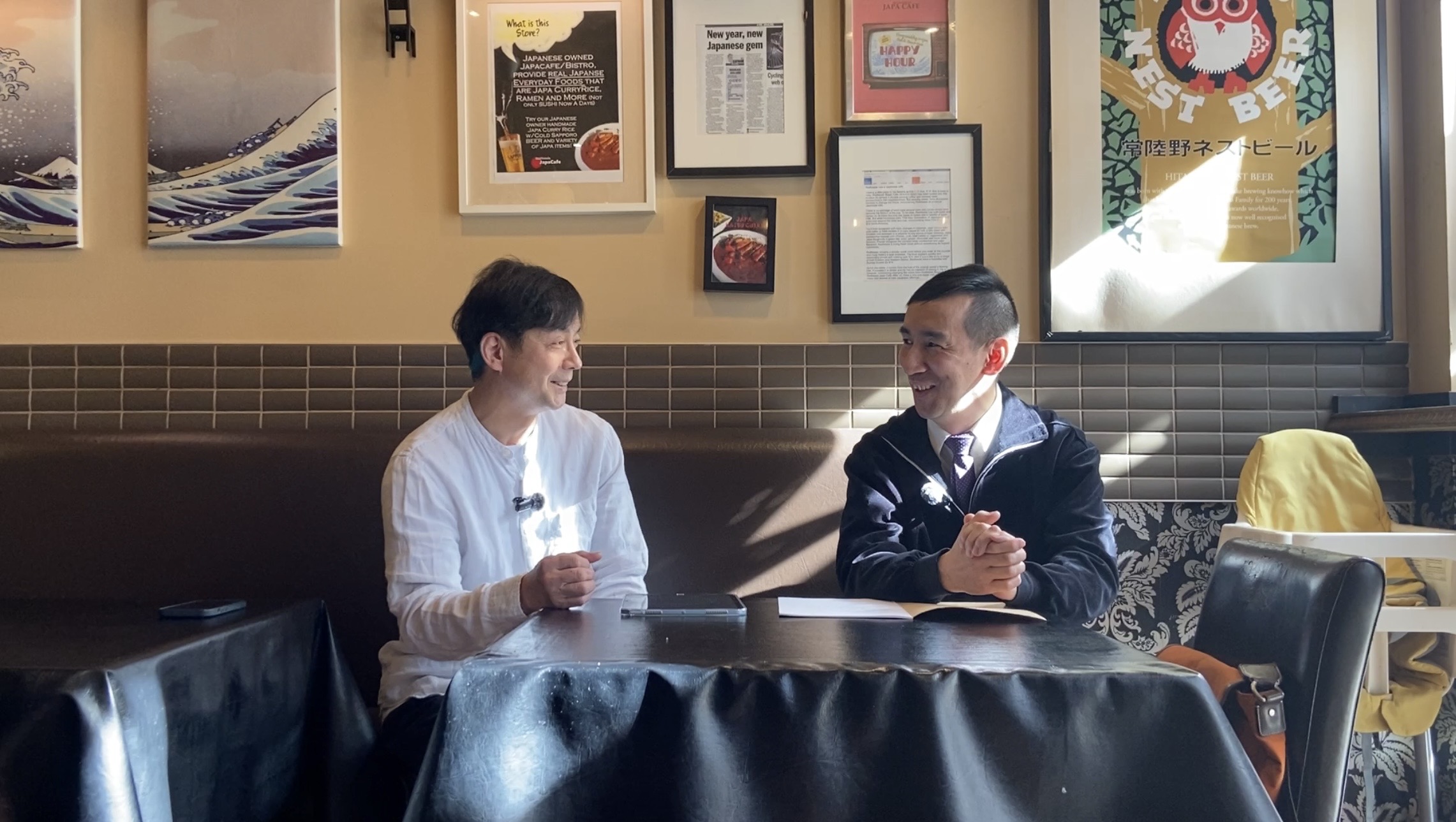 |
A. I am very glad I chose Calgary to start my business. Regardless of the region, I believe there is always a marketing strategy that fits the specific location and customer base. While Calgary might not be considered the "prime" real estate of Canada compared to cities like Toronto or Vancouver, it offers a great balance of cost of living, foot traffic, market size, and a comfortable level of conservatism.
Furthermore, with direct flights to Japan available and a surge in people visiting Japan, the local level of appreciation for Japanese food is rising every year. Being a Japanese owner myself has become a significant advantage; it gives customers the confidence that "at this restaurant, I can experience the same flavors as I would in Japan."
Q. Are you conscious of your role as a bridge between Japan and Canada?
A. Since our early days, we’ve consistently served dishes like Katsu sandwiches, Katsu curry, and Onigiri. These have become favorites among our customers, and that is what has allowed the business to survive.
I believe that by continuing to take on new challenges, we create new employment opportunities that didn't exist before. If our presence helps Japanese culture take root—even if only a little bit at a time—then I feel our restaurant has a true purpose. I wouldn’t go so far as to say I’ve become a "bridge" between the two countries yet, but I am determined to keep pushing forward and taking on those challenges.
Q. How do you hope to engage with the local community moving forward?
A. I want to keep this restaurant running for as long as I possibly can. I believe that simply staying open and being a consistent presence is, in itself, the best way for me to stay involved with the community.
 |